FAQ
Expert Guidance and Clarity.
General
How do I book and pay?
The easiest way is to use our online booking and payment system. You can also pay at our clinic using a debit or credit card on the day of your appointment.
How do I contact the clinic?
Please send through a message to us. Otherwise give us a call on 01603 273 492 Monday to Friday, 9am–5pm.
What if I need to cancel?
We understand that unexpected things happen, but please get in touch by email or phone as soon as you can if you know that you can’t attend your appointment. Cancellations made within 24 hours of the appointment time will be charged at 100% of the cost of the appointment.
Can I choose my Physiotherapist?
When you go onto our booking system, you will first have the option to select your location – please choose between Aylsham and Rossis Leisure at North Walsham. You then have the option to choose your practitioner, so just click on the therapist that provides the service you would like to book.
Do you offer discounts for multiple sessions?
We have a range of class and session passes available which provide a discount when purchasing multiple sessions. We offer discounted 6 and 10 class passes available for our Clinical Pilates and Gym sessions, as well as 4, 6, 8 and 10 session packages for our physiotherapy, shockwave, soft tissue massage and one-to-one Pilates and Fitness sessions. These provide a cost effective way to support your journey to recovery as well as ensuring ongoing strength and fitness.

Physiotherapy
Do I need to see my doctor first?
You don’t need to see your doctor before seeing a Physiotherapist. We can write to your GP after you have finished treatment to keep them up to date if required.
What should I expect during my first physiotherapy appointment?
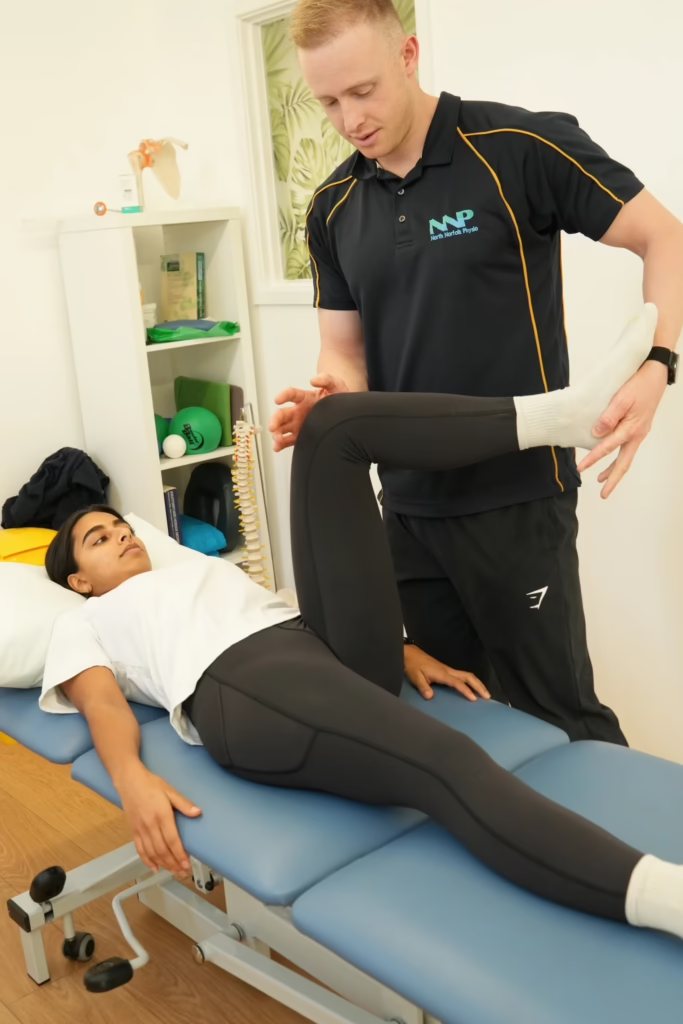
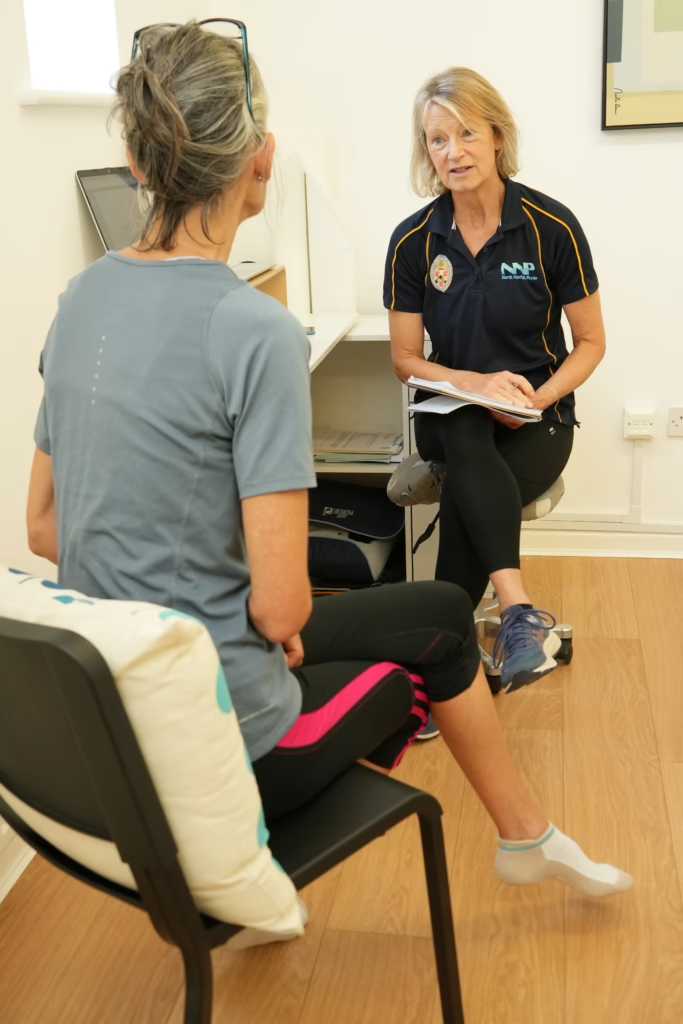
You’ll discuss your medical history and symptoms with your physiotherapist and they will also perform an assessment, which may include movement tests, to determine the appropriate treatment for your condition. They may carry out some manual therapy during the session and they will discuss with you the expected treatment plan and will make recommendations for appropriate exercises that will support your journey to recovery. These will be shared with you after the consultation so you have easy access to them at home.
How long will the appointment last?
Initial appointments usually last between 30 to 45 minutes, and follow up appointments last for approximately 30 minutes.
What should I wear?
Comfortable, loose-fitting clothing that allows easy access to the area being treated.
Should I bring anything with me?
A list of medications you’re currently taking.
Any relevant medical records or imaging.
Can I receive treatment if I'm covered by medical insurance?
We do accept payment from a limited number of insurance companies. Please call us beforehand to clarify if your consultation may be covered.
Do physiotherapists offer home visits?
Unfortunately, we are not able to offer home visits at this time.
When should I consult a physiotherapist?
If you’re experiencing pain, mobility issues, or if you’ve been referred by a GP.
What will my physiotherapy treatment involve?
Treatments can vary but may include exercises and manual therapy. Some conditions may benefit from shockwave therapy or acupuncture, but your Physiotherapist will discuss this prior to treatment.
How many sessions will I need?
The number of sessions varies depending on your condition but your Physiotherapist will let you know at the end of your first visit about your treatment plan, after you have been properly assessed.
Soft Tissue Therapy
What should I expect during my initial Soft Tissue appointment?
Your therapist will discuss with you any health conditions or medical concerns you may have and why you have booked your Soft Tissue therapy appointment.
The Therapist will perform an assessment, which may include movement tests, to better understand your concerns.
You will be asked to remove articles of clothing that allow for access to the area being treated.
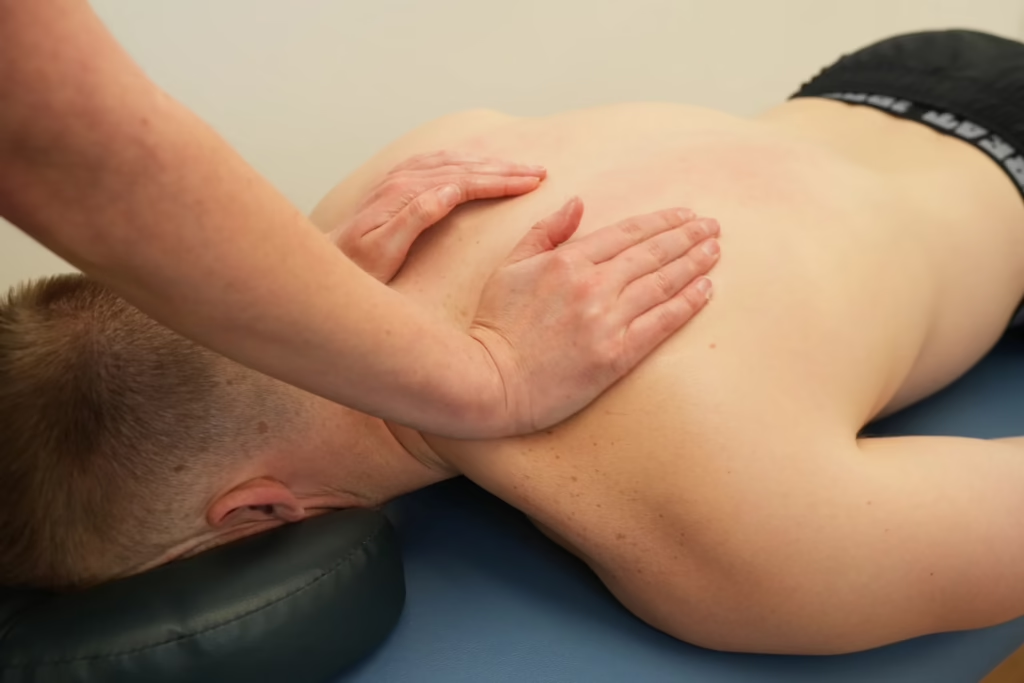
The therapist will use various techniques such as kneading, gliding and tapping to manipulate the muscles and soft tissue of your body. It’s important to let the therapist know if the pressure is too light or too deep at any time, or if there are any areas of your body that should be avoided. They will be happy to adjust the therapy to suit your needs.
What should I wear for my appointment?
Comfortable, loose-fitting clothing that can be easily removed to ensure the part of the body being treated can be accessed. You may be asked to remove your trousers or top and unclasp your bra, but a towel will always be provided to help cover any areas not being treated.
Will I be sore after my treatment?
It’s normal to feel a little sore after your first massage, but this will usually disappear within a day or two. If you have any concerns, please discuss these with your therapist.
How do I know if I should see a Physiotherapist or book a Soft Tissue Therapy session?
You should see a physiotherapist if you have ongoing pain such as back pain or arthritis, if you have a sports injury or require specialised post-surgery rehabilitation, have been diagnosed with a neurological condition such as stroke, Parkinson’s or Multiple Sclerosis, or have issues with movement or balance – these are all situations where the expertise of a Physiotherapist can support with comprehensive treatment plans and specialised care.
A Soft Tissue Therapy session is ideal if you have muscle tension, stress or pain, you would like some assistance with minor muscle soreness or strains (such as after a big event) or you have poor posture or tension from desk work. A Soft Tissue therapy session can provide immediate relief through various massage techniques.
Sometimes, a combined approach is beneficial, for example a physiotherapist may assess you and provide some initial treatment and recovery plan and then refer you to our soft tissue Therapist for ongoing support.
Women's Health Physiotherapy
What should I expect during the initial consultation?
You’ll discuss your medical history and symptoms with the Physiotherapist, and she will perform an assessment, which may include an internal, pelvic examination. Everything will be discussed with you prior to the examination as well as during it, to ensure that you are comfortable at all times.
How many sessions will I need?
The number of sessions varies depending on your condition but your Women’s Health Physiotherapist will let you know at the end of your first visit about your treatment plan, after you have been properly assessed.
Shockwave Therapy
Will Shockwave Therapy hurt?
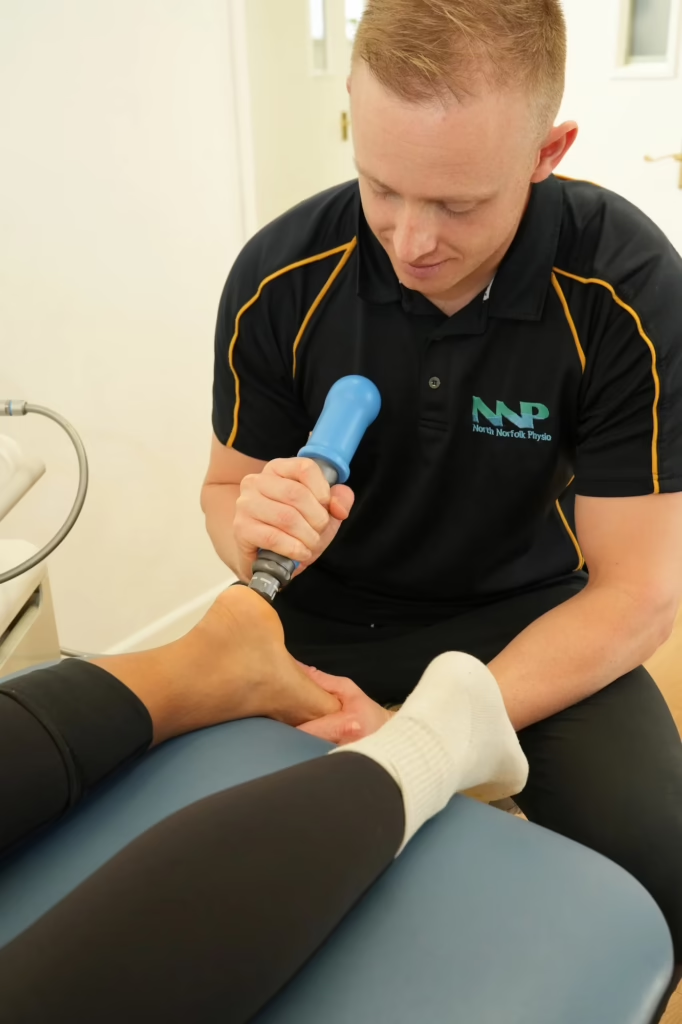
It can cause some discomfort, but it is generally tolerable for most people. Many patients describe the sensation as small pulses or a tapping feeling against the skin. Your Physiotherapist can adjust the intensity of the treatment if you are feeling that the sensation is too intense to tolerate.
Are there any side effects of Shockwave Therapy?
There can be some side effects, although they are generally mild and temporary. These might include some minor bruising at the treatment site, some discomfort after the treatment, some local swelling and skin reddening or a temporary change in sensation such as numbness. These all typically resolve within a few days, and if you have any concerns then please speak to your Physiotherapist.
Pilates
What is the difference between Clinical Pilates and Reformer Pilates?
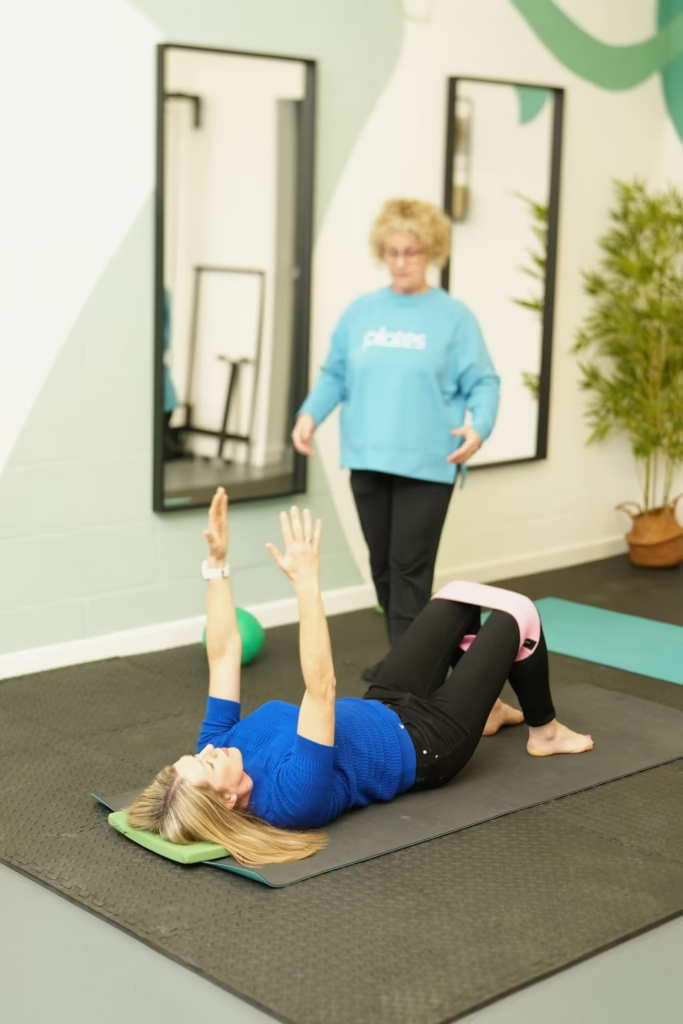
Clinical Pilates is a form of Pilates tailored by fully trained professionals to address specific rehabilitation needs and improve functional movement. It can be carried out on mats or other equipment such as chairs for those who aren’t as mobile, and uses some small pieces of equipment such as balls. Reformer Pilates uses a specialised piece of equipment called a Reformer, which includes a sliding carriage, springs, ropes and a foot bar to provide resistance and support for various exercises. Reformer Pilates focuses on strength, flexibility and posture and is suitable for those who also have rehabilitation needs.
Is Pilates safe for everyone?
Yes, it is designed to be safe for all ages and fitness levels, especially when supervised by one of our fully trained instructors.
Do I need to be fit to start Pilates?
No, our Pilates classes can be adapted for all fitness levels, and we have a range of classes suitable for beginners as well as those with more experience.
What’s the difference between Pilates and Yoga?
Yoga focuses on flexibility, balance and mindfulness, while Pilates emphasises core strength, stability and overall body conditioning.
Gym Classes
Do I need to have had previous experience in a gym to join one of the gym rehab or strength classes?
No, all of our classes are designed for all levels, and our therapists will provide modifications to the exercises for beginners as well as advanced options for more experienced participants.
How often should I attend a gym rehab session?
This depends on your rehabilitation plan, and your physiotherapist or exercise coach will advise you on the most appropriate frequency.
What should I wear and bring with me to a gym session?
Please bring a water bottle and small towel to your class, and you should wear appropriate workout clothing such as joggers, leggings or shorts and a t-shirt or vest top – whatever makes you feel comfortable!
Can I join a gym session if I have a medical condition?
Always consult your GP before starting a new fitness program, and please inform your therapist about any medical conditions so they can provide appropriate modifications, if required.
How do I avoid injuries in a gym session?
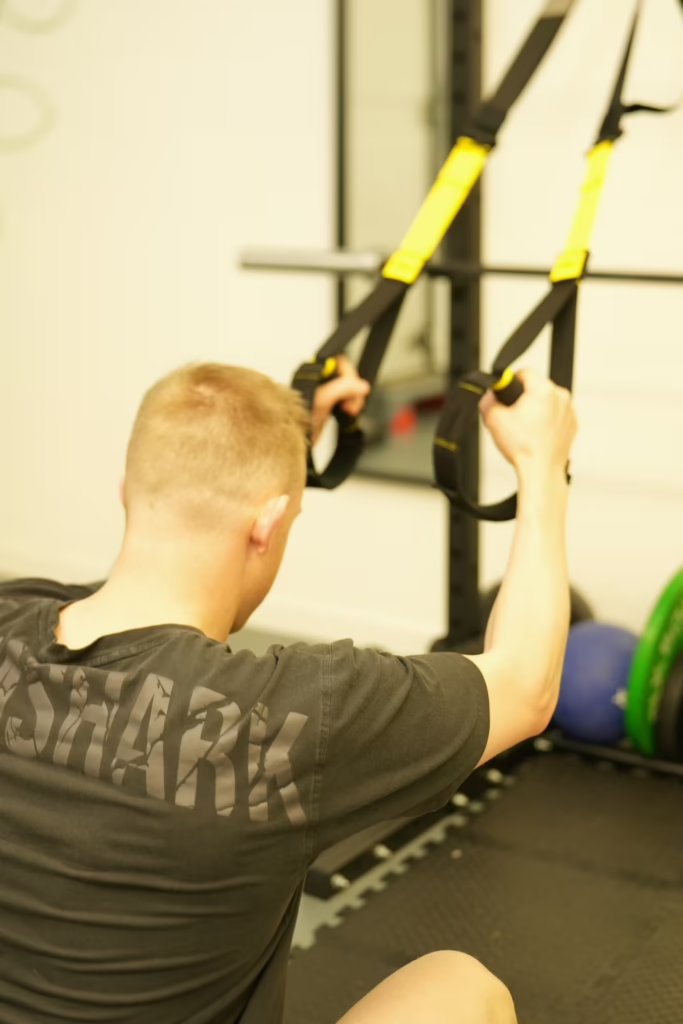
Your exercise coach will guide you through a warmup when you first arrive and then will guide you through the exercises, ensuring that you complete them with correct form. Don’t push yourself too hard, especially if you are new to the class.
Injury Prevention & Rehab Assessment
How long will the assessment take?
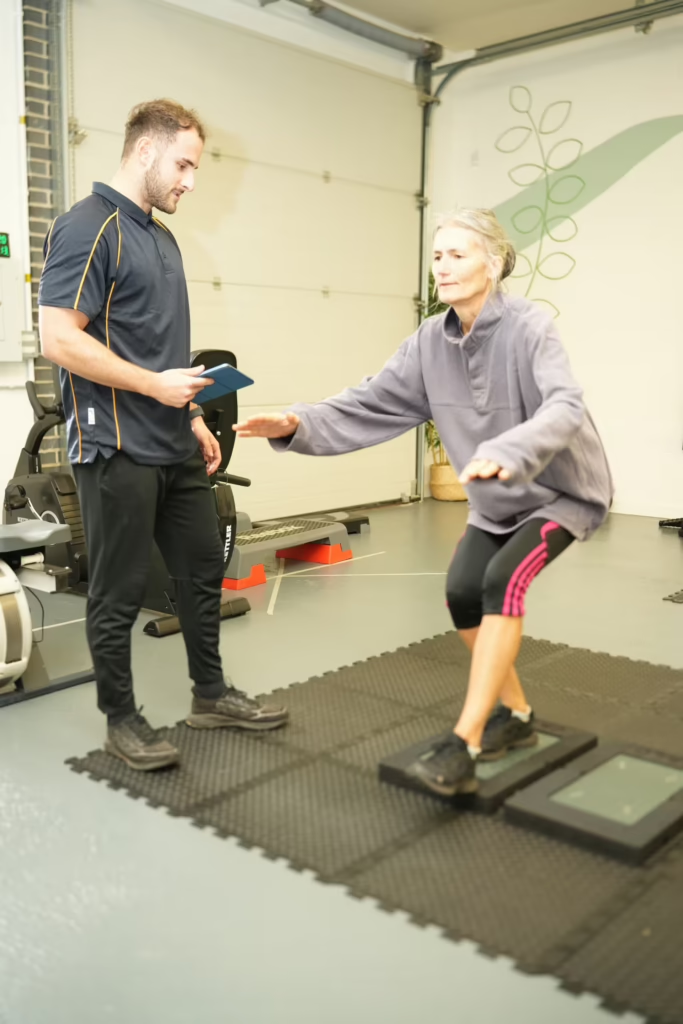
Your assessment will take approximately 1 hour to complete, which includes a detailed assessment using the VALD ForceDecks and other relevant equipment which provides us with the data we need to design a bespoke program which will fulfil your goals.
Is the assessment just for athletes who want to improve performance in their chosen sport?
Not at all! This assessment is suitable for wide range of people, especially those who want to reduce their risk of injury as they age by ensuring their body doesn’t have any imbalances and is strong enough to support them in a range of different situations, ie walking on uneven surfaces, climbing and descending stairs at home safely.
What should I wear for my assessment?
Comfortable clothing such as joggers and a t-shirt will be suitable, as you want to be able to move your body in a range of motions for the assessment without being restricted. Your footwear should be trainers and socks, but you might be asked to remove these for part of the assessment.
What will I receive at the end of the assessment?
You will receive a detailed report that shows how you performed in the different assessment activities. This report will compare your strength, balance, movement patterns etc with others of a same age and gender, so you can see where there is an opportunity for you to improve. You will also receive a detailed exercise and/or mobility program which you can then work on over the coming months to address the areas of opportunity.
How often should I have the assessment?
This will depend on your goals and the areas of opportunity you have that require development to reduce your risk of injury or rehabilitate a part of your body, but generally the follow up should be in approximately 3 months time. This is when we will put you through the same assessment and compare your performance to determine how the program is improving the opportunity areas that were identified in the initial assessment.